
What we do
Advocacy with a file, not a slogan.
FUTA takes traders’ problems to the offices that can settle them — and stays with the file until money, space or a policy change actually moves.
01
Advocacy
We take traders’ concerns to State House, the Office of the Prime Minister, the Ministry of Finance, KCCA, URA and Parliament — so policy is made with the people who actually trade.
02
Trade order & livelihoods
We engage Kampala authorities on enforcement that does not collapse small businesses: designated space, return of confiscated goods, and evening markets for vendors who have nowhere else to stand.
03
Compensation & relief
After the Nakivubo floods and other disasters we compile fair lists, follow appropriated funds, and refuse processes that lock out genuine small traders.
04
Tax dialogue
FUTA was born from the EFRIS stand-off. We insist URA consults traders before new systems, and we sit at the table so compliance is possible, not punitive.
05
Capacity building
Business skills, record-keeping, and market practice for micro, small, medium and large enterprises — so members grow, not just survive.
06
Dispute resolution
Mediation between traders, suppliers, landlords and associations, plus legal support when a shop, arcade or market stall is under threat.
Who we sit with
A working relationship with the Ugandan state.
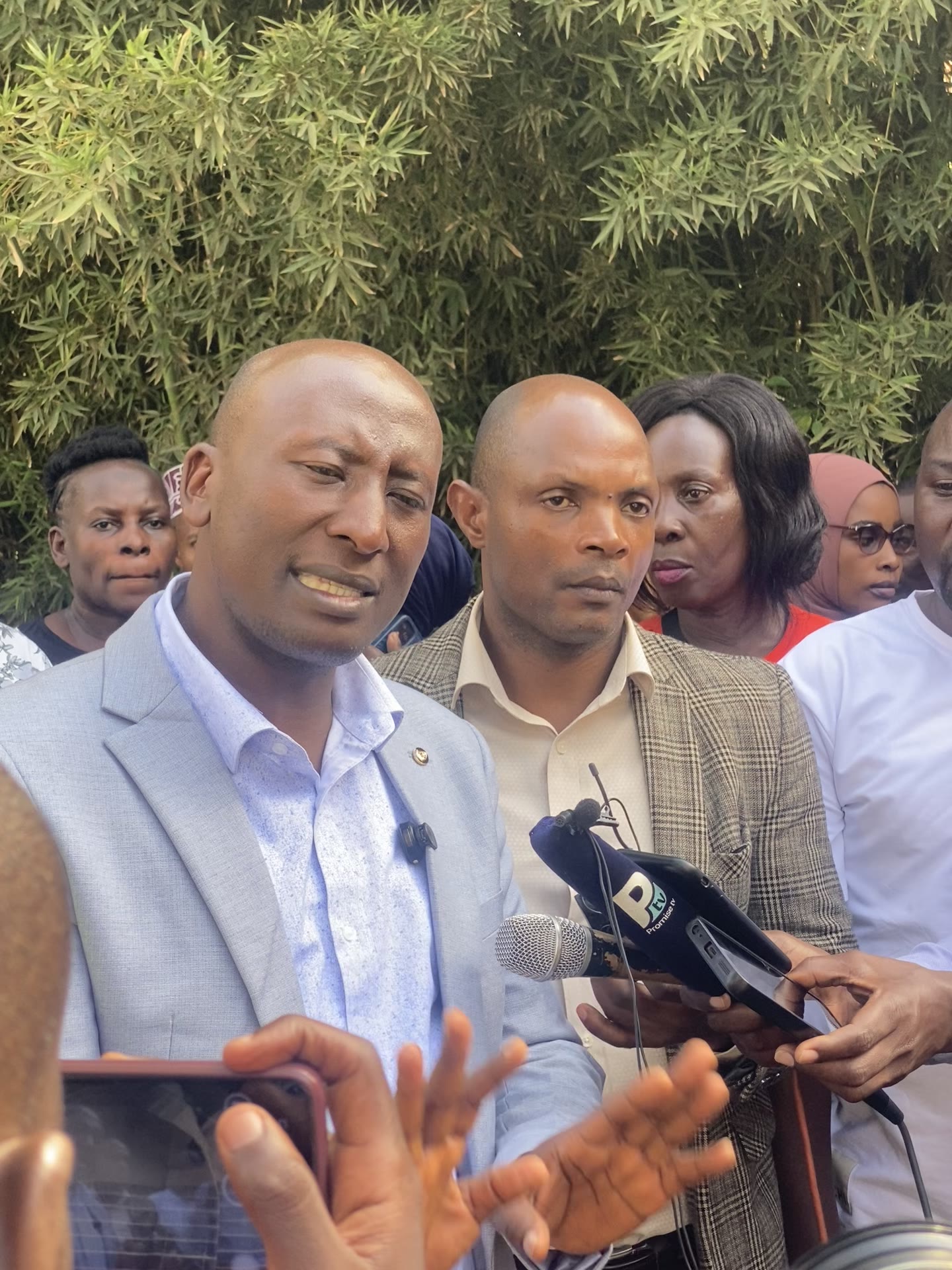
In September 2026 President Kabanda told the press that FUTA is ready to work with State House and the ministries already holding traders’ files. Partnership, in our language, means delivery: signed processes completed, fair lists, and money that leaves government and reaches a shop.
- State House
- Office of the Prime Minister
- Ministry of Finance
- Kampala Capital City Authority
- Uganda Revenue Authority
Bring us the issue.
Seized goods, a flooded store, a tax file, a landlord, a market that was moved overnight — the secretariat records it and takes it up through FUTA’s structures. Do not start a parallel list. Use the federation.